
Shaped by Our Creations
What if our greatest invention comes with a hidden cost?

Since the dawn of our species, humanity has been defined by its relationship with its creations: we shape our tools, and thereafter, our tools shape us. Every monumental leap in human civilisation has been paved by a breakthrough invention that acted as an external catalyst, forcing our bodies and minds to adapt. These inventions did not just make life easier; they fundamentally altered the trajectory of human evolution.
However, we have recently crossed a threshold into an entirely uncharted epoch. With the rise of Artificial Intelligence, we have created the first tool that appears to participate in the process of its own improvement. But as this new tool takes over the heavy lifting of cognition, a landmark study suggests that we may be facing a terrifying evolutionary reversal. For the first time, our own creation may be eroding the very critical thinking skills that allowed us to build it.
To understand the profound danger of this shift, one must first look back to the very spark that ignited human intellect: the control of fire and the subsequent invention of cooking. Millions of years ago, our hominid ancestors, such as Homo erectus, were physically limited by their diet. Surviving on tough, raw, fibrous vegetation and carcass scraps required immense physical energy to chew and digest, meaning biological resources were heavily allocated to maintaining a massive digestive tract.
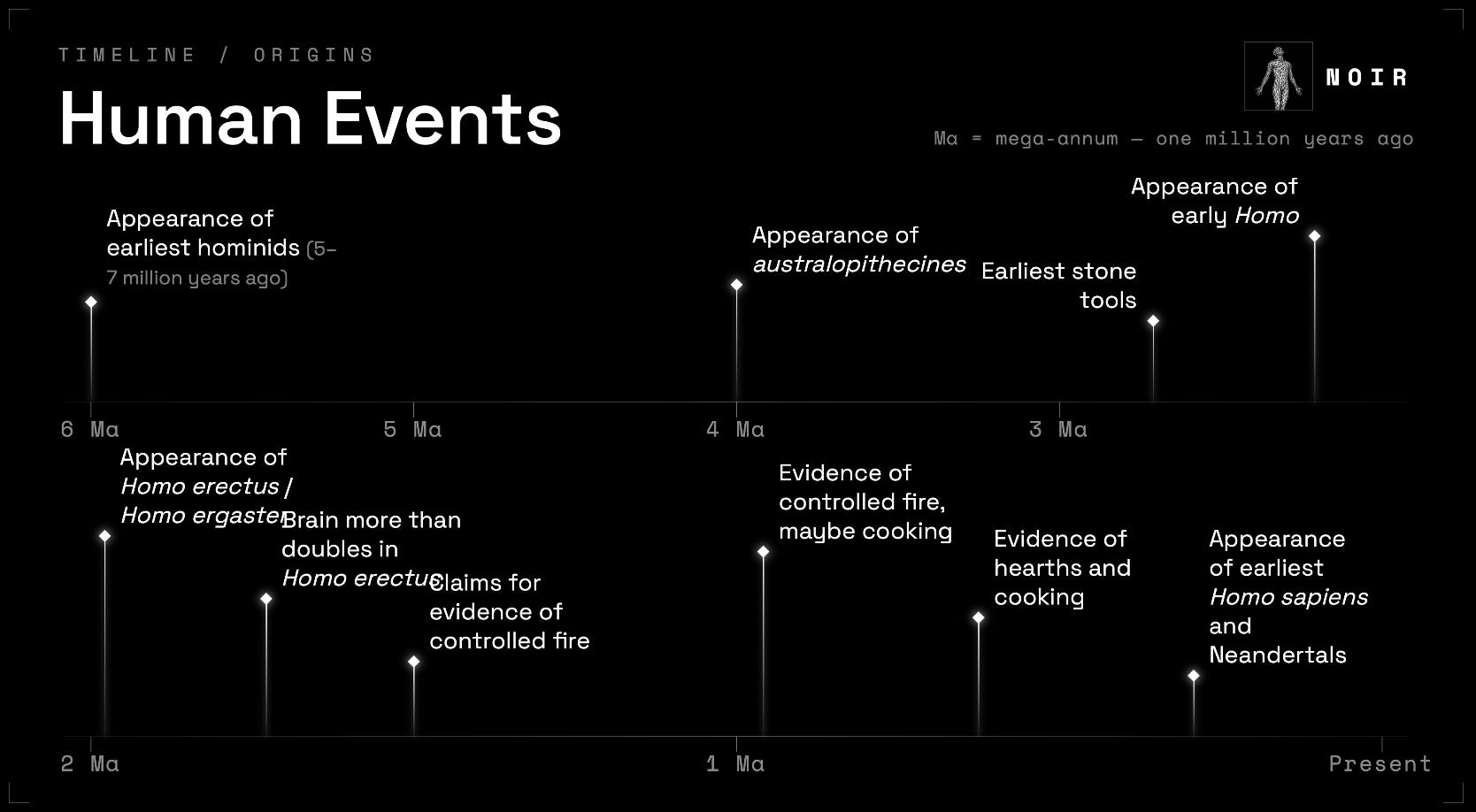
The evolutionary turning point came when early humans learned to apply heat to food. As outlined by Harvard anthropologist Richard Wrangham in his seminal Cooking Hypothesis, cooking acted as a form of technological pre-digestion. By breaking down complex starches and denaturing proteins before food even touched the tongue, cooking unlocked an unprecedented density of calories while drastically reducing the metabolic energy required to process it.
This energetic surplus triggered what we call encephalization—the drastic increase in brain size relative to body mass. Over generations, the human gut shrank because it no longer needed to do the grueling work of digesting raw matter, allowing the body to reallocate those massive caloric resources directly to powering the rapid expansion of the cerebral cortex. The Cooking Hypothesis suggests that fire and cooking may have played a crucial role in the expansion of the human brain.
Millennia later, that expanded cognitive capacity gave rise to a second civilizational rewrite: the Neolithic Revolution, commonly known as the Agricultural Revolution. By transitioning from nomadic hunting and gathering to settled farming, humanity fundamentally altered its environment. The domestication of plants and animals allowed for resource surpluses, which birthed permanent settlements, specialized labor, and complex societies. This shift dramatically rewired the human cognitive landscape, forcing the mind to adapt to a world governed by cycles, systems, and structures rather than immediate survival instincts.
Agriculture demanded long-term planning, the mathematical calculation of land boundaries, and the creation of proto-cuneiform writing systems to keep track of trade and storage. It forced the individual human brain to integrate into a massive, collective network of shared knowledge, shifting our evolution from a purely biological struggle to cultural and systemic development. Every tool introduced during this era, from the simple plow to the earliest written ledgers, required active intellectual mastery and rigorous cognitive engagement from the human user.
Although many technologies reduced specific cognitive burdens, they generally required humans to remain active participants in the process of reasoning. When Johannes Gutenberg invented the movable-type printing press, it democratized knowledge, but it still required the human reader to actively decode symbols, synthesize arguments, and form independent judgments. When Google introduced its PageRank search algorithm, it transformed how we accessed data, but it still forced the user to engage in a multi-step critical process. A user had to formulate a specific query, scan a list of diverse sources, evaluate credibility, and actively piece together information to form an answer. In all these historical instances, technology served as a scaffold for human intelligence, requiring us to remain the ultimate arbiters of truth and logic.
Now, however, we have introduced Artificial Intelligence into the human story, and the evolutionary contract has completely changed. The warnings are beginning to emerge in measurable ways. A recent study by researchers at the MIT Media Lab, led by Nataliya Kosmyna, mapped the neurological reality of this shift by tracking the brain activity of young adults writing essays. The subjects were split into three groups: those writing entirely on their own, those using Google Search, and those relying on ChatGPT.
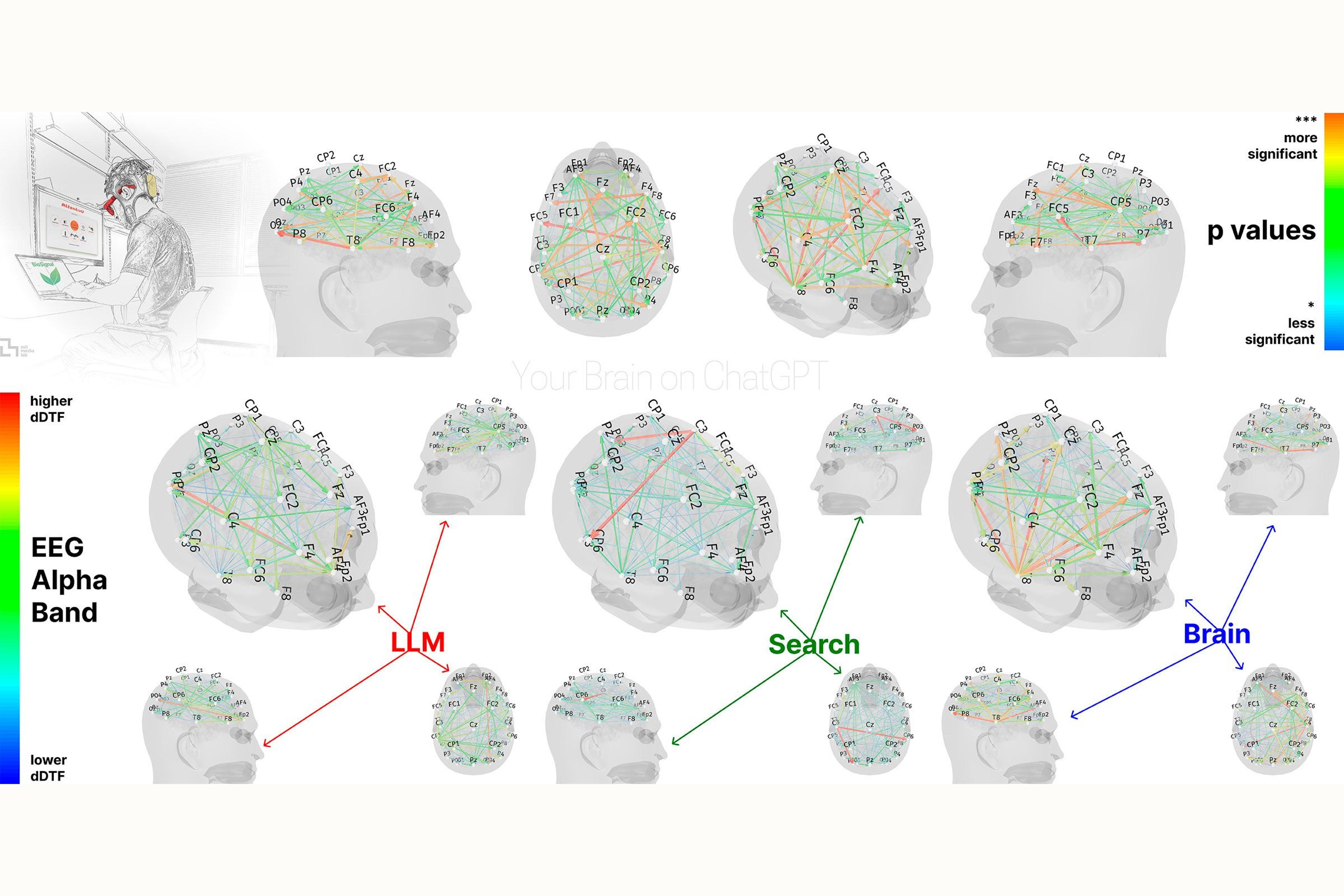
The data returned by the electroencephalograms (EEGs) revealed a stark, chilling divergence. While the independent writers and the Google Search group exhibited vibrant neural connectivity, the AI users displayed markedly lower neural connectivity and engagement than the other groups. The complex “traffic” of information between brain regions—measured through dynamic Direct Transfer Function analysis—was markedly reduced in the AI group. Specifically, brain-wave patterns associated with creative ideation, memory formation, and deep semantic processing, were severely dampened. Unlike a search engine, which forces the human mind to navigate, evaluate, and actively synthesize data, the generative machine assumed a far greater share of the cognitive process. The findings suggest that some higher-order cognitive processes may have been partially offloaded to the AI system.
This neurological passivity signals a deeper, more atmospheric shift in the human condition. We are moving into a cold, noir reality where understanding is increasingly separated from effort. For millennia, our tools were mirrors of our own capabilities—sharper claws, stronger backs, faster eyes. But AI is an entirely different entity. It is a black box that increasingly reasons on our behalf, a quiet force of convenience that encourages us to outsource the very mechanics of thought.
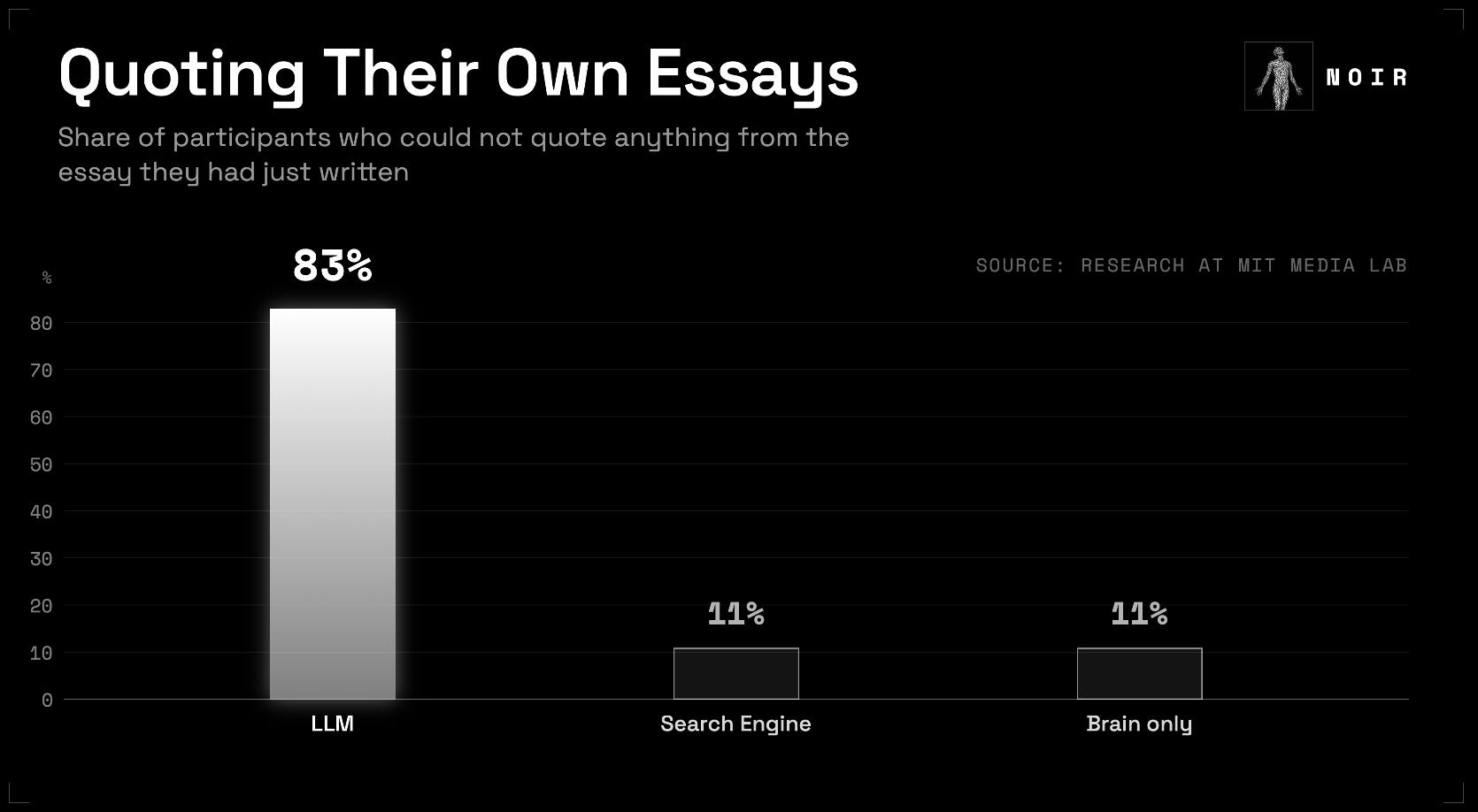
When the MIT participants were asked to revisit their essays weeks later without the tool, the ChatGPT users displayed significantly weaker recall of their own work. The findings suggest that cognitive offloading may have weakened the encoding of those ideas into memory. The tech delivered an efficient, polished product, but it left the human host hollowed out.
There is a quiet horror in realizing that our ultimate invention might be an evolutionary trap.
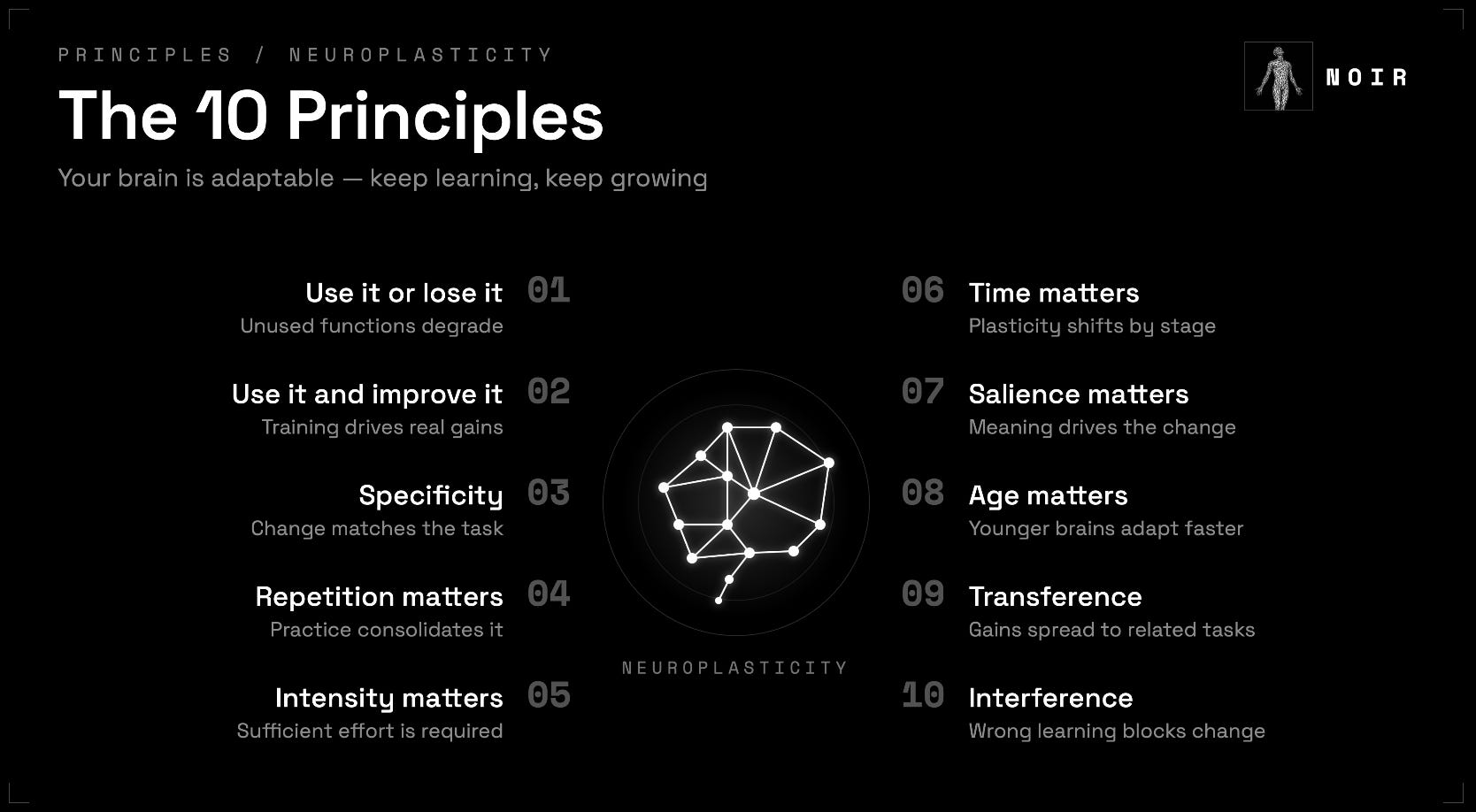
Fire may have given us the biological fuel to physically expand our brains, and agriculture gave us the societal architecture to expand our knowledge. Now, we are willingly handing that symbolic intellectual fire back. While our brains will not physically shrink, our overreliance on these tools threatens their function. If critical thinking and memory functions are consistently outsourced, neuroplasticity suggests that those abilities could weaken over time. The brain operates on a use-it-or-lose-it principle: pathways involved in critical thinking, factual memory, and analytical resilience tend to weaken when they are repeatedly left unused.
As we stand in the dim glow of the screen, letting an invisible intelligence draft our thoughts, synthesize our realities, and dictate our choices, we must confront an uncomfortable truth. The danger of the AI era is not that the machines will turn against us, but that they may gradually make us more passive, encouraging us to outsource the very habits of thought that once defined human intelligence. If taken too far, we risk becoming spectators in a world we increasingly struggle to understand for ourselves.
So ask yourself: when was the last time you truly wrestled with an idea rather than receiving an answer?
♡ Like this piece if you're not summarising it with ChatGPT…
Really liked this. The framing of fire and agriculture as cognitive expansions and AI as the first reversal is genuinely clarifying.
The MIT detail about ChatGPT users having weaker recall of their own essays weeks later is what made me think the most, even of my own use of AI in handling tasks.
Writing the words yourself is what makes them yours; if the machine writes them, they were never really yours to forget.
Do you think there's any version of AI use that doesn't have this effect, or is the offloading baked into the tool?
Noir, the MIT study is suggestive rather than dispositive, but its most valuable implication may be that the decisive variable is not AI use itself; it is where AI enters the cognitive sequence.
If a person first frames the problem, forms a provisional model, and produces an initial argument, AI can function as an adversarial editor or cognitive scaffold. If it enters before those operations, it can replace the very struggle through which memory, ownership, and judgment are formed. The same tool can therefore augment cognition or displace it.
This may refine the idea of an “evolutionary reversal.” AI does not simply reduce thought; it redistributes it. The danger begins when the capacity it frees is not reinvested in verification, counterargument, and synthesis—leaving the human accountable for conclusions whose underlying reasoning they no longer possess.